

When river restoration benefits both native and invasive species
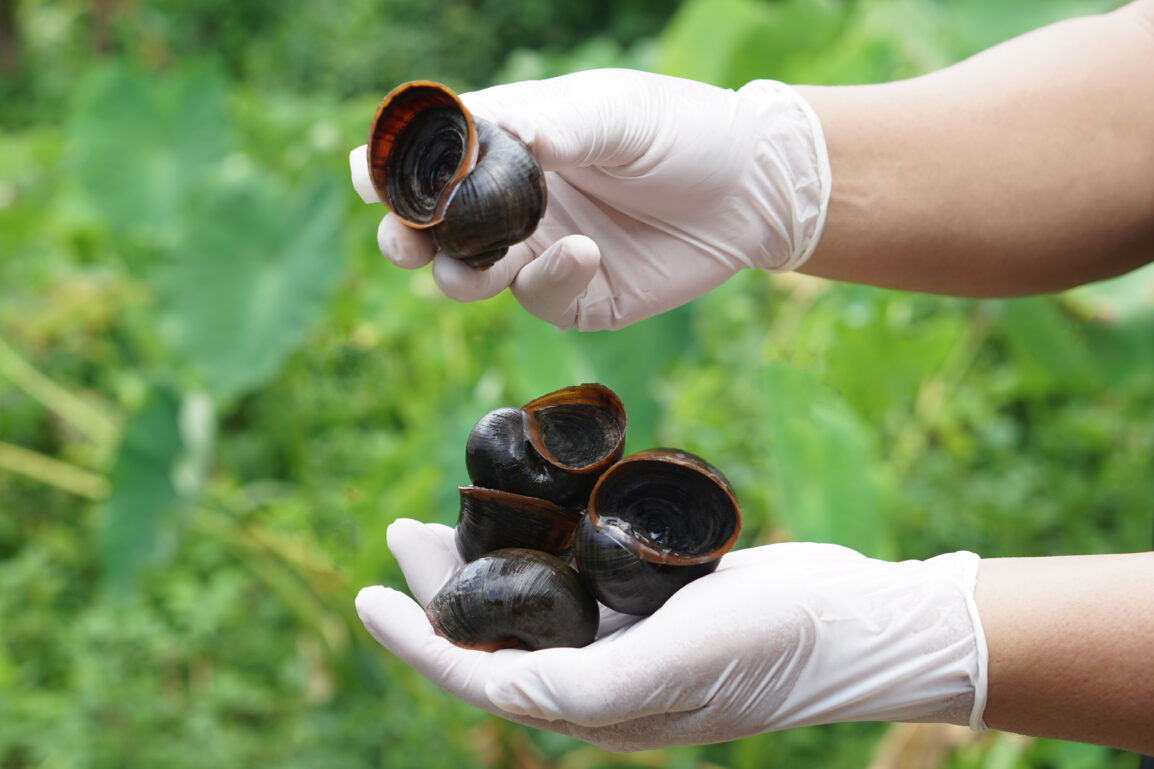
In recent years, removing dams and other barriers from rivers has become one of the most widely adopted strategies for restoring freshwater ecosystems. In fact, between 2020 and 2025, 2,200 dams were removed from Europe's 1.2 million barriered waterways. The goal is to bring back what once was, before industrialization and technology changed the landscape. Just last month, we shared an article on how re-meandering rivers improve habitats. With 25% of the world's freshwater species threatened with extinction, it's easy to grasp the motive for reconnecting fragmented waterways: to improve fish migration, restore natural sediment transport, and support the recovery of native aquatic species. Yet, as with so many attempts to roll back the clock, there are cons working alongside the reconnection pros. Emerging research suggests that restoring connectivity, while for the overall good, can also create a new ecological challenge: giving invasive species a boost.
A recent study by Ellen J. Dolan, Jaimie Dick, and Ross Cuthbert, published in Global Change Biology, analyzed data from 45 freshwater restoration projects worldwide to determine how native and non-native species responded after river barriers were removed. Fortunately, the team's findings showed that native species generally experienced stronger long-term recovery than invasive species following restoration efforts. However, the study also identified a significant increase in invasive freshwater invertebrates across many restored waterways, highlighting what researchers call a “connectivity conundrum.” As rivers become more connected, they not only facilitate the movement of native wildlife, such as the endangered and migratory Atlantic salmon, but also provide pathways for invasive species to expand their range.
Invasive species have long been a challenge for waterways. Often transported to their new environment by humans whose water-based activities and adventurous natures make for easy carriers. Something as simple as fishing in two different lakes can be enough to introduce an invasive species into a new environment. The longer-term concern is that opening up rivers can allow invasive species to move with the water and establish a foothold elsewhere.
The study's results underscore the importance of adopting a whole-ecosystem approach to river restoration. Reconnecting waterways allows endangered species to return to their natural patterns and environments while supporting biodiversity and restoring overall ecological function, but it also opens up a troubling risk of invasive species. With freshwater ecosystems facing unprecedented pressures from habitat fragmentation, climate change, and invasive species, balancing ecological connectivity with ecosystem protection will be critical to ensuring restoration projects deliver lasting environmental benefits.
This is a trend we'll be watching very closely.
Revisions to the Endangered Species Act Redefines “Harm”
Revisions to the Endangered Species Act Redefines “Harm” August 26, 2026 | Endangered Species | On July 7th, the U.S.…
READ MORE
Gulf Hypoxia Action Plan Update
Gulf Hypoxia Action Plan Update August 26, 2026 | Field Studies | Waterborne’s field and data services teams have long supported…
READ MORE
The Global Matchup: Rice Modeling Around the World
The Global Matchup: Rice Modeling Around the World July 27, 2026 | Modeling | Amy Ritter and Marty WilliamsThis year’s…
READ MORE

Beyond the Spectacle: The Environmental Effects of Fireworks
Beyond the Spectacle: the Environmental Effects of Fireworks July 21, 2026 | Climate Change | Like shooting stars zooming across…
