

Mother Nature was right all along: re-meandering rivers improve habitats
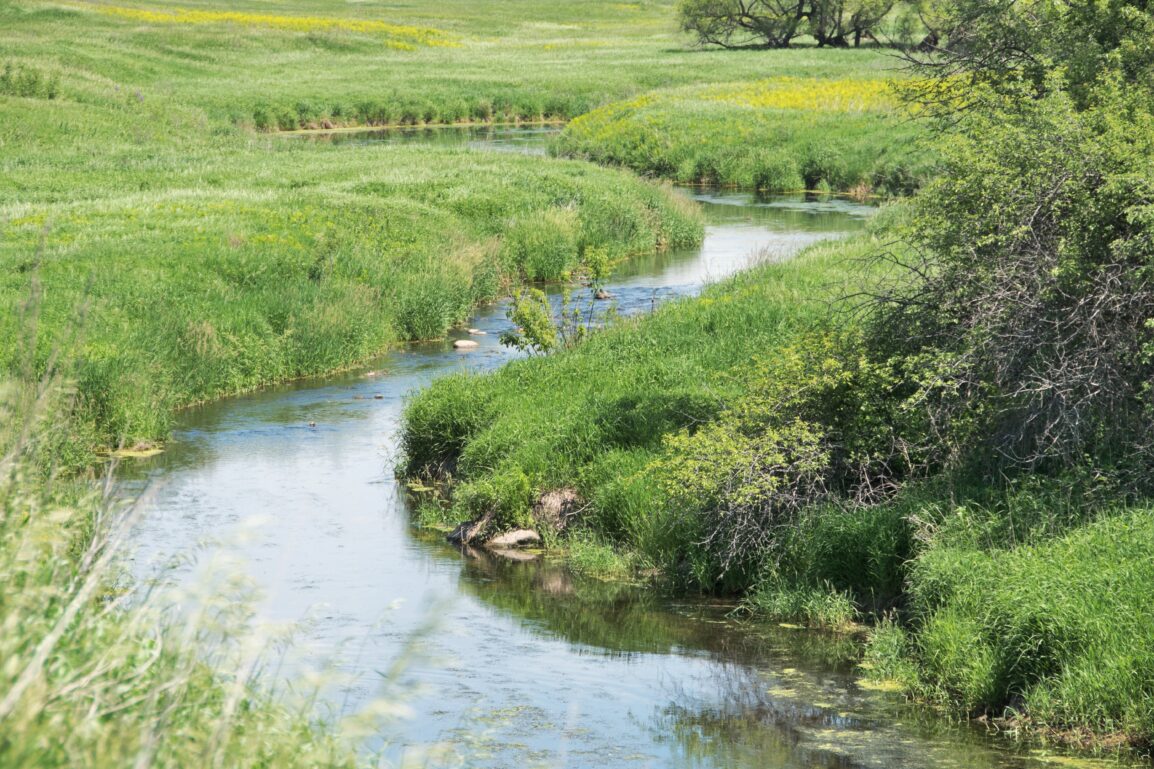
For centuries, humans believed they could improve on nature by straightening rivers and creeks into efficient, engineered channels. Across the world, waterways were redirected from their natural winding paths into straight lines designed to move water faster while maximizing surrounding land use. But in trying to outsmart nature, many of these altered rivers became fast-moving corridors for floodwater, degraded wildlife habitat, and accelerated regional water loss, thereby creating problems the original waterways were naturally designed to prevent. As climate pressures intensify and biodiversity declines accelerate, we now find ourselves seeking solutions to these modern environmental problems.
It turns out, Mother Nature was right all along.
River restoration, also known as "re-meandering," is emerging as one of the most effective nature-based solutions for both environmental resilience and ecological recovery. New research from Newcastle University and the United Kingdom's National Trust demonstrates that restoring rivers to their natural, meandering state can significantly slow downstream water movement while dramatically expanding wildlife habitat (published April 28, 2026 in Water Resources Research). In the study, a restored section of England’s Goldrill Beck delayed flood waves by as much as 90 minutes and increased river habitat area by nearly 50%, creating healthier ecosystems for fish, plants, and invertebrates. Additionally, connecting rivers to their original floodplains creates natural water storage in the area, helping avert shortages and regional droughts.
At its heart, re-meandering is about slowing a river's water down. For decades, many rivers were straightened, dredged, and confined to maximize land use and accelerate drainage. While effective for moving water quickly, these engineered channels often disconnected rivers from their floodplains, increased downstream flooding risks, and degraded biodiversity. Instead of forcing water to move quickly through a uniform channel, re-meandering restoration teams reintroduce curves, bends, and variation in water flow. That might involve reshaping the riverbed, reconnecting it to its floodplain, or adding features such as pools, riffles, and side channels that mimic how rivers naturally evolve over time.
The benefits of re-meandering show up quickly in how the system functions. When a river is allowed to meander, it slows water down, which helps reduce downstream flood peaks and gives the surrounding landscape more time to absorb excess water. It also spreads flow over a wider area during high-water events, recharging soils and groundwater rather than channeling everything downstream as quickly as possible. In a sense, the river becomes less of a drainage pipe and more of a living, dynamic sponge.
Ecologically, the impact is even more striking. Meandering creates a patchwork of habitats: deep pools for fish, shallow margins for spawning, slower backwaters for juvenile species, and vegetated banks for insects, birds, and amphibians. That biodiversity is what straightened channels erase. Over time, restored rivers tend to support richer biodiversity and more stable ecosystems because they’re no longer locked into a single, uniform flow pattern. In other words, re-meandered waterways function as living ecosystems again.
It's important to note that river meandering alone isn't sufficient to prevent flooding during extreme weather events, especially in hilly or mountainous regions. The study acknowledges that more research is needed to determine how to offset extreme weather-related floods. However, restored rivers have been shown to dramatically reduce flooding under normal conditions.
While still in its early stages, the growing success of river re-meandering projects is a more natural path toward environmental management. By working with natural systems rather than against them, re-meandered rivers expand wetlands and create natural habitats that together improve water quality.
Revisions to the Endangered Species Act Redefines “Harm”
Revisions to the Endangered Species Act Redefines “Harm” August 26, 2026 | Endangered Species | On July 7th, the U.S.…
READ MORE
Gulf Hypoxia Action Plan Update
Gulf Hypoxia Action Plan Update August 26, 2026 | Field Studies | Waterborne’s field and data services teams have long supported…
READ MORE
The Global Matchup: Rice Modeling Around the World
The Global Matchup: Rice Modeling Around the World July 27, 2026 | Modeling | Amy Ritter and Marty WilliamsThis year’s…
READ MORE

Beyond the Spectacle: The Environmental Effects of Fireworks
Beyond the Spectacle: the Environmental Effects of Fireworks July 21, 2026 | Climate Change | Like shooting stars zooming across…
