

Preparing for winter – cover crops may be the best answer
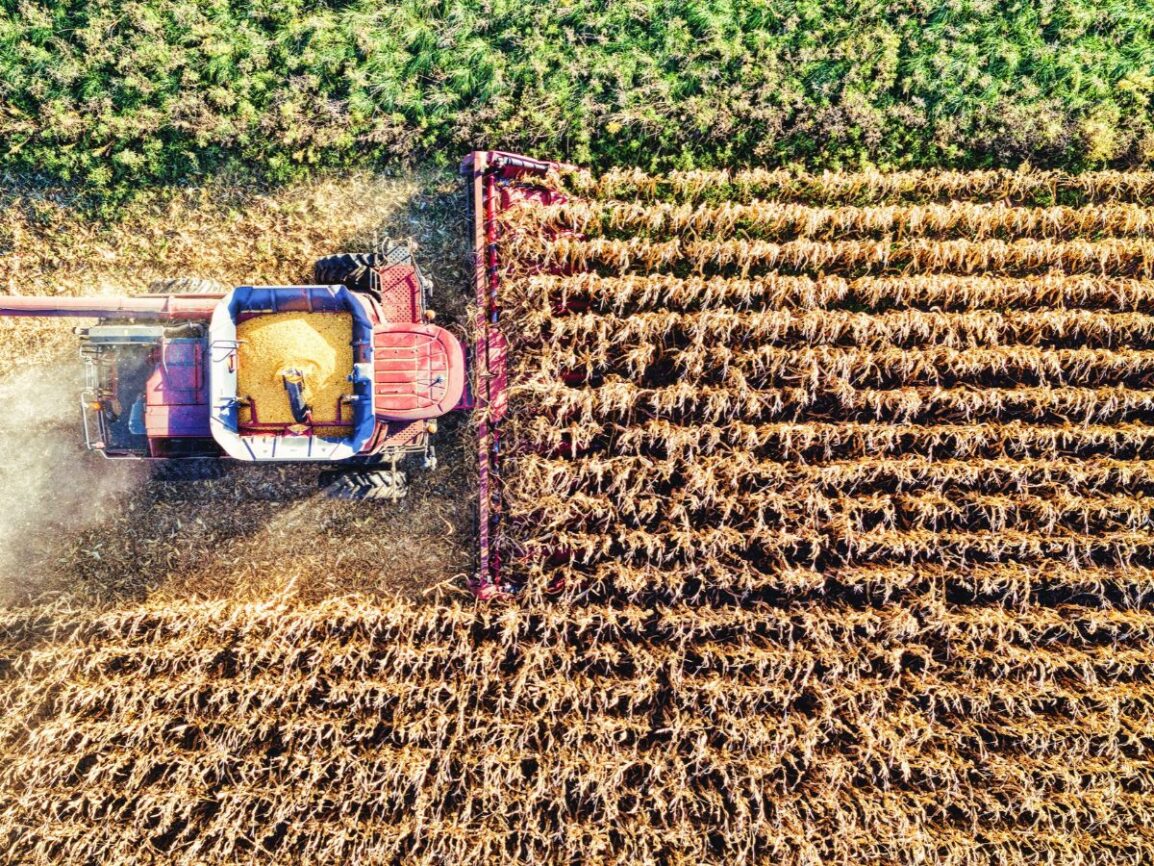
Harvest time has a beauty all its own and is uniquely synonymous with fall alongside pumpkins, Thanksgiving, and cooler temperatures across many regions in the Northern Hemisphere. As people begin to prepare for cold weather - from heavier coats to snow removal supplies to root vegetables – farmers with row crop fields are thinking about their cold weather plans.
Cover crops are one of a few different options to prepare crop fields for winter. To protect crop fields, cover crops or green manure crops are planted to protect the soil that would otherwise be bare. Planting a cover crop before winter helps to improve soil organic matter and soil fertility, suppresses cool-season weeds, aids in soil erosion prevention, and creates a better seedbed for spring planting.
The cover crops that are used for overwintering include brassicas, grains and grasses, and legumes. Although cover crops vary from region to region, there are two main types of cover crops: winter-hardy and winter-killed. Winter-hardy crops survive through winter. Whether they grow or lay dormant entering winter, they will grow again in late winter. Some examples of winter-hardy crops include winter wheat, Austrian winter peas, and crimson clover, with winter rye and hairy vetch recommended in the northern US (White et al. 2015. Making the Most of Mixtures: Considerations for Winter Cover Crops. PennState Extension. Adapted and revised from the original online fact sheet (eOrganic/eXtension.org, 2015).
Winter-killed crops usually die from the cold; however, they provide adequate biomass to protect the soil (Frillman, N. 2023. Harness the power of nature: Winter-kill cover crops. University of Illinois Extension.). Oats are the most commonly used winter-killed cover crop, although other cover crops like oilseed radish, rapeseed, and field pea may also be used for overwintering.
In addition to protecting the bare soil, cover crops are considered a runoff and erosion mitigation measurement to reduce pesticide runoff and erosion that has the potential to impact nontarget species, specifically for endangered species. USEPA included cover cropping in its original framework of runoff and erosion mitigations (ESA Workplan Update: Nontarget species Mitigation for Registration Review and Other FIFRA Actions, November 2022), which was further solidified as part of the final 2024 herbicide strategy to reduce exposure to endangered and threatened species (USEPA. 2024). By including cover crops among other conservation practices, it will help decrease off-field movement of pesticides through runoff and erosion by reducing flow to water bodies, increasing infiltration, increasing organic carbon, and increasing pesticide degradation.
Waterborne has been working in the cover crop arena for decades. Our collaborative research studies with various partners and farmers, such as Illinois Corn Growers Association, have allowed our field scientists, data analysts, and modelers to expand our monitoring and modeling down to the field level. Our field team conducts edge-of-field water quality monitoring of agricultural Best Management Practices (BMPs), including cover crops, to characterize the effectiveness of these practices at reducing nutrient, pesticide, and sediment loads in runoff. In addition, our teams utilize remote sensing and GIS to identify, locate, and inventory relevant agricultural BMPs in the landscape to support exposure modeling and risk assessment. More recently, Waterborne’s engineers have been collaborating with different agencies (both federal and state) to develop cutting-edge, state-specific web applications that help farmers working alongside NRCS to identify appropriate mitigation practices for their land challenges such as low yields, erosion, and nutrients. These tools also connect these field-level decisions to larger regional goals such as nutrient loss reduction strategies that are within USEPA’s final herbicide strategy. Once completed, these tools will be available for individual growers to use in concert with local NRCS conservationists to guide next-level decision-making. Additional tools such as the Cover Crop Decision Tool by Midwest Cover Crops Council can provide farmers longer-term support in their efforts for sustainable agriculture.
By incorporating both field and modeling data, Waterborne provides farmers and watershed managers with the information needed to make informed management decisions about BMPs. This information guides the selection of practices that will be most effective at both the field and watershed scale to improve water quality and increase farming efficiencies and profits.
Preparing for winter – cover crops may be the best answer
No excerpt…
READ MORE

Revisions to the Endangered Species Act Redefines “Harm”
Revisions to the Endangered Species Act Redefines “Harm” August 26, 2026 | Endangered Species | On July 7th, the U.S.…
READ MORE
Gulf Hypoxia Action Plan Update
Gulf Hypoxia Action Plan Update August 26, 2026 | Field Studies | Waterborne’s field and data services teams have long supported…
READ MORE
The Global Matchup: Rice Modeling Around the World
The Global Matchup: Rice Modeling Around the World July 27, 2026 | Modeling | Amy Ritter and Marty WilliamsThis year’s…
