

Revisions to the Endangered Species Act Redefines “Harm”
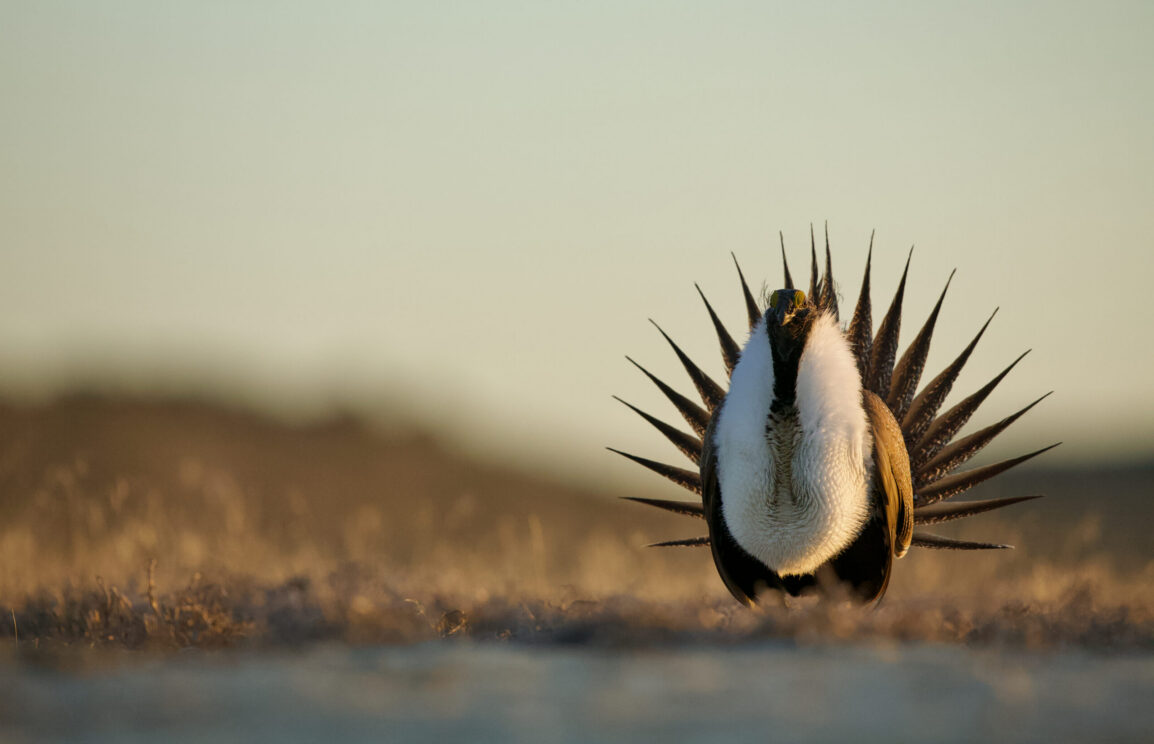
On July 7th, the U.S. Fish and Wildlife Service and NOAA Fisheries announced a change to the Endangered Species Act (ESA). This new version’s one-word change redefines “harm,” and thereby habitat. Under the July 10, 2026 version of the Act, destroying a threatened or endangered species’ habitat is no longer illegal. The new version also removes protections for newly protected threatened species under the ESA.
Signed into law with bipartisan support on December 28th, 1973, the ESA was created to protect wildlife and plants from dangers caused by human actions. The Act was so popular that it passed the U.S. Senate without a single no vote. Efforts under the ESA ranged from identifying and adding species to an “endangered” or “threatened” list to protecting critical habitats and developing plans to bring species back to safe levels. Once added to either the endangered or threatened list, species were entitled to federal protections in hopes that they could recover in numbers.
The July 2026 revision impacts the critical habitat exclusions (Section 4(b)(2)) of the Act. It is not the first political challenge to the word “harm” as related to habitats that the Act has faced. In 1996, the U.S. Supreme Court upheld the word “harm” as it relates to “habitat destruction that impairs breeding, feeding, or shelter.” Therefore, by removing the word “harm,” the Agencies have removed barriers for developers, landowners, and hunters, who are now free to destroy a listed species’ habitats without first appealing to federal authorities. It’s a change that puts some species protected by the ESA on an accelerated path toward extinction.
Supporters of the ESA are concerned about this latest revision because habitat loss is the leading driver in species population loss. Some roaming species, such as lynx and grey wolves, depend on connected habitats. Development in these habitats increases their exposure to roadways and brings them closer to urban settings. Other species, like the Northern Spotted Owl, live within old-growth forests. Losing their forests to logging will leave these owls without a habitat.
Long considered an indicator of ecosystem health, the loss of a species can create an imbalance that leads to outcomes such as rodent population growth. Ecosystems are naturally balanced, and the loss of a species in a single region could have a negative outcome. For example, the loss of a primary predator could result in explosive rodent population growth in a newly developed region.
While the July 2026 revisions of the ESA are currently being contested in courts, this could take significant time to resolve—years—that some species may not have.
Revisions to the Endangered Species Act Redefines “Harm”
No excerpt…
READ MORE
Gulf Hypoxia Action Plan Update
Gulf Hypoxia Action Plan Update August 26, 2026 | Field Studies | Waterborne’s field and data services teams have long supported…
READ MORE
The Global Matchup: Rice Modeling Around the World
The Global Matchup: Rice Modeling Around the World July 27, 2026 | Modeling | Amy Ritter and Marty WilliamsThis year’s…
READ MORE

Beyond the Spectacle: The Environmental Effects of Fireworks
Beyond the Spectacle: the Environmental Effects of Fireworks July 21, 2026 | Climate Change | Like shooting stars zooming across…
