

Gulf Hypoxia Action Plan Update
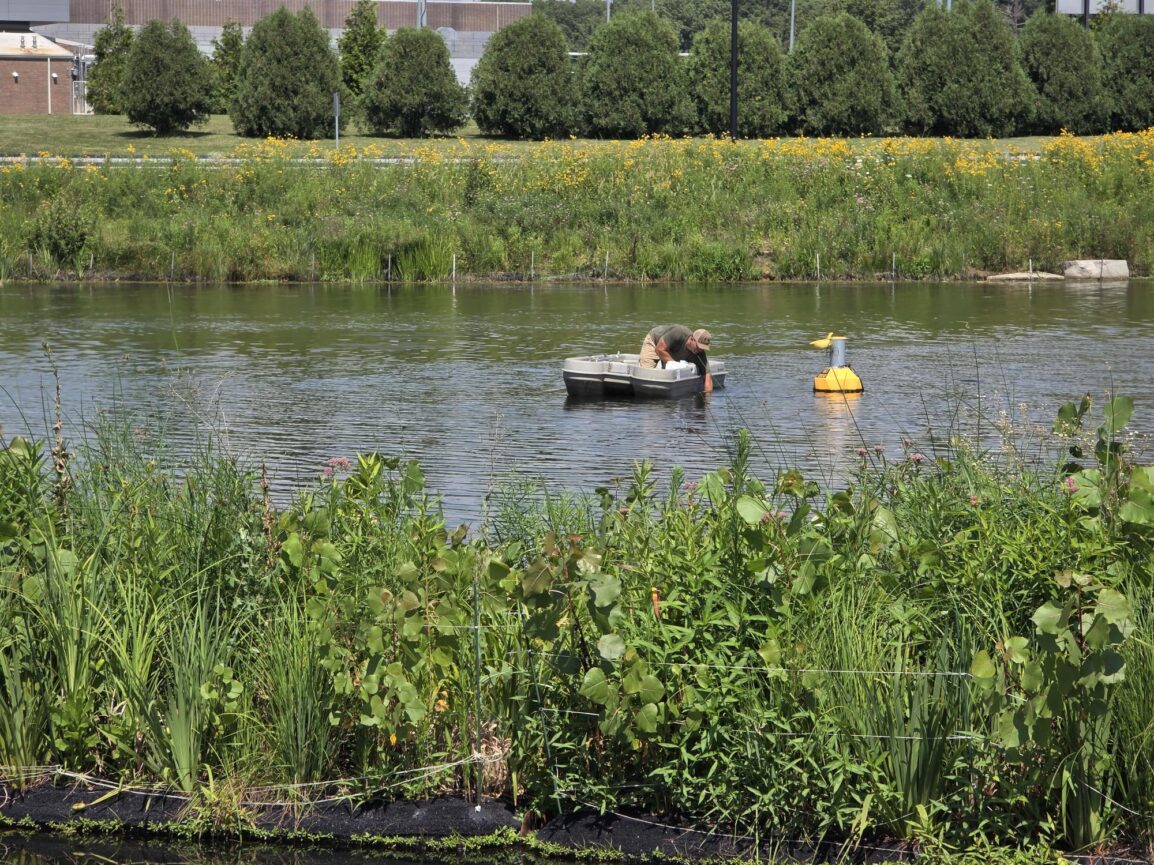
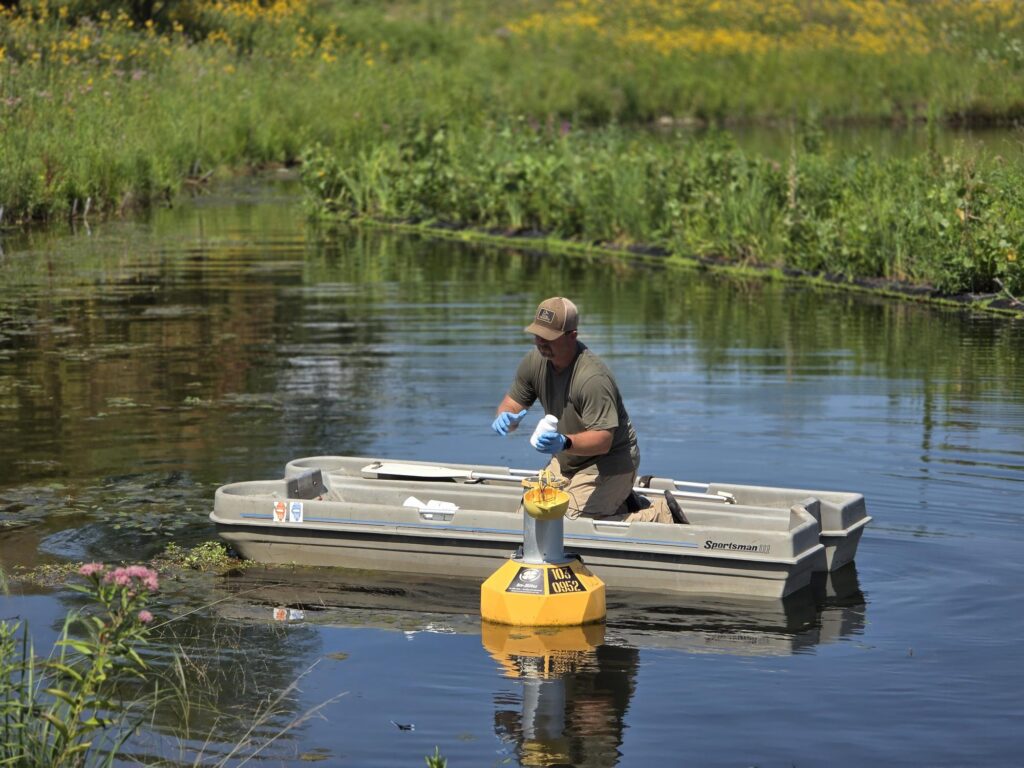 Waterborne’s field and data services teams have long supported nutrient loss reduction strategies within the Midwest, and over the last several years, we have worked closely with clients and partners to assist in meeting individual state goals outlined by the Hypoxia Task Force. While there is still much work to be done to meet the overarching 2035 goals outlined by the Gulf Hypoxia Action Plan, Waterborne is proud to be part of this historic initiative and to contribute our innovative approaches to identification, instrumentation & monitoring, and data analysis to support the reduction of nutrients in watersheds. The 2025 data summarized by the USGS reflect the states’ efforts to reduce nitrogen and phosphorus in Gulf waters and ultimately reduce the hypoxic zone area. The collective efforts put forward by so many entities – small to large, and individuals to institutions - are finally being reflected in the broader environmental concentration datasets. This positive shift in environmental health is one reason why Waterborne is so passionate about the work we do.
After having spring rains, the floating wetlands are thriving. According to Pete Fandel (Professor in the Department of Agriculture at ICC) who is working closely with Waterborne’s Shawn Meyer (Lead Scientist & Manager, on this project), the functionality of these intricately designed wetlands is to support local reductions in nutrient concentrations found in surface water that ultimately contribute to Midwest initiatives and further positively affect the larger hypoxia issues in the Gulf.

Revisions to the Endangered Species Act Redefines “Harm”
Revisions to the Endangered Species Act Redefines “Harm” August 26, 2026 | Endangered Species | On July 7th, the U.S.…
READ MORE
Gulf Hypoxia Action Plan Update
No excerpt…
READ MORE
The Global Matchup: Rice Modeling Around the World
The Global Matchup: Rice Modeling Around the World July 27, 2026 | Modeling | Amy Ritter and Marty WilliamsThis year’s…
READ MORE

Beyond the Spectacle: The Environmental Effects of Fireworks
Beyond the Spectacle: the Environmental Effects of Fireworks July 21, 2026 | Climate Change | Like shooting stars zooming across…
