

Groundwater Studies at Waterborne
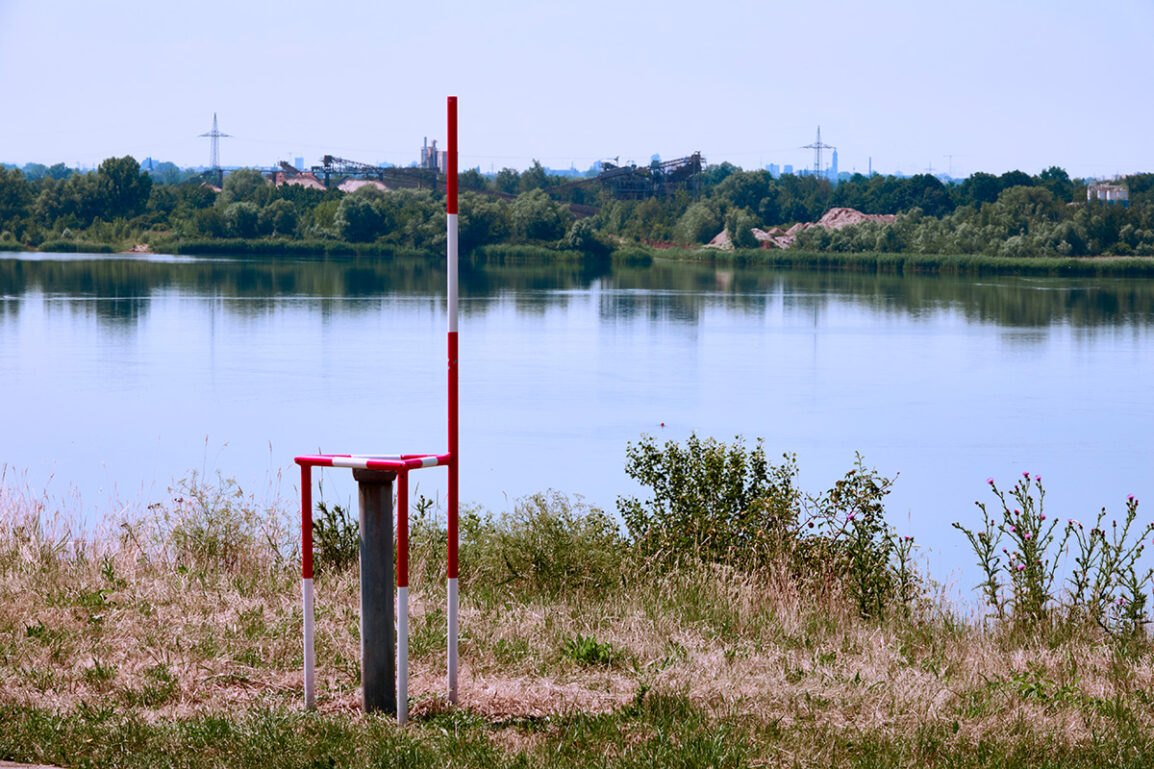
As Waterborne approaches its 33rd anniversary, we thought it would be interesting to recall our “early days” and the extensive field work we did to address concerns regarding the potential for groundwater contamination associated with labeled uses of pesticides.
Waterborne, as a company, managed and completed over 30 separate studies assessing threats to groundwater from normal uses of crop protection chemicals. There were two types of studies required by the USEPA during that time and included “prospective” and “retrospective” groundwater studies.
Prospective groundwater (PGW) studies were multi-year studies that included site selection, site characterization, instrumentation, application of a tracer (KBr) and the pesticide product of interest, sampling of soil and water for one to two years, followed by reporting. These studies were labor intensive during the site selection, characterization, and instrumentation phases prior to application. Following application, the first month of soil and water sampling was also intensive before settling into monthly sampling afterwards.
Sites were selected in typically worst-case environments where the potential for leaching through the soil column to the saturated zone was highest. The sites often had sandy, sandy loam, or loamy sand soils with depth to groundwater (saturated zone) of 10-30 feet. The tracer (KBr) was applied and its progress leaching through the unsaturated zone was tracked until it achieved “breakthrough” into the saturated zone.
These expensive studies were required by USEPA to address specific concerns regarding select active ingredients with environmental fate profiles that indicated a potential to leach. These studies provided a strong environmental fate database for use with simulation models (e.g., SCI-GROW, PRZM) being developed for regulatory purposes.
Retrospective groundwater studies were also required by the USEPA during this time, although less often. These studies typically involved the sampling of existing wells (primarily drinking water wells) to assess whether the product of interest was detected. Fewer of these studies were required but Waterborne did perform several of them on regional and national scales. The wells were selected in areas vulnerable to leaching and sampled on a monthly or quarterly basis for a year or so.
It’s been at least 20 years now that PGW field studies are no longer required by USEPA as they have relied more on modeling to assess potential groundwater risks from the labeled uses of pesticides. For groundwater modeling, USEPA originally had the screening-level model, SCI-GROW (now archived), that was a regression model developed using 13 prospective groundwater monitoring studies. Currently, USEPA uses the PWC (Pesticide in Water Calculator) with six standard groundwater scenarios in regions with leaching potential (DELMARVA, GA, NC, WI, and two in FL). Modeling groundwater concentrations takes significantly less time and much more cost effective than running PGW studies. An additional advantage of modeling is the ability to estimate the long-term leaching effects of using a pesticide over a 30+ year simulation. USEPA has stated that they are developing new groundwater scenarios that will cover a much wider range of spatial variability and leaching potential; Waterborne look forward to the release of new groundwater scenarios by USEPA.
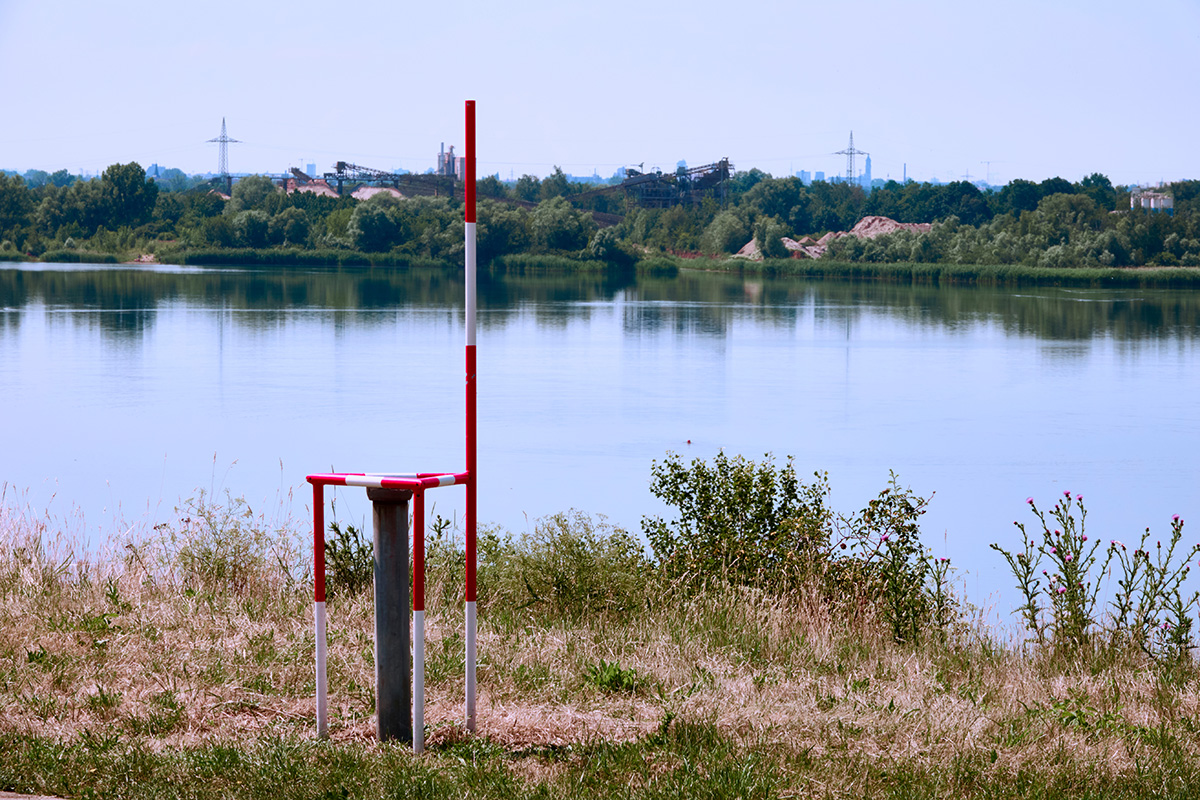
Groundwater Studies at Waterborne
No excerpt…
READ MORE
EPA’s Proposed Rollback of Chemical Safety Protections: What It Means for Environmental Stewardship
EPA’s Proposed Rollback of Chemical Safety Protections: What It Means for Environmental Stewardship March 2, 2026 | Endangered Species |…
READ MORE
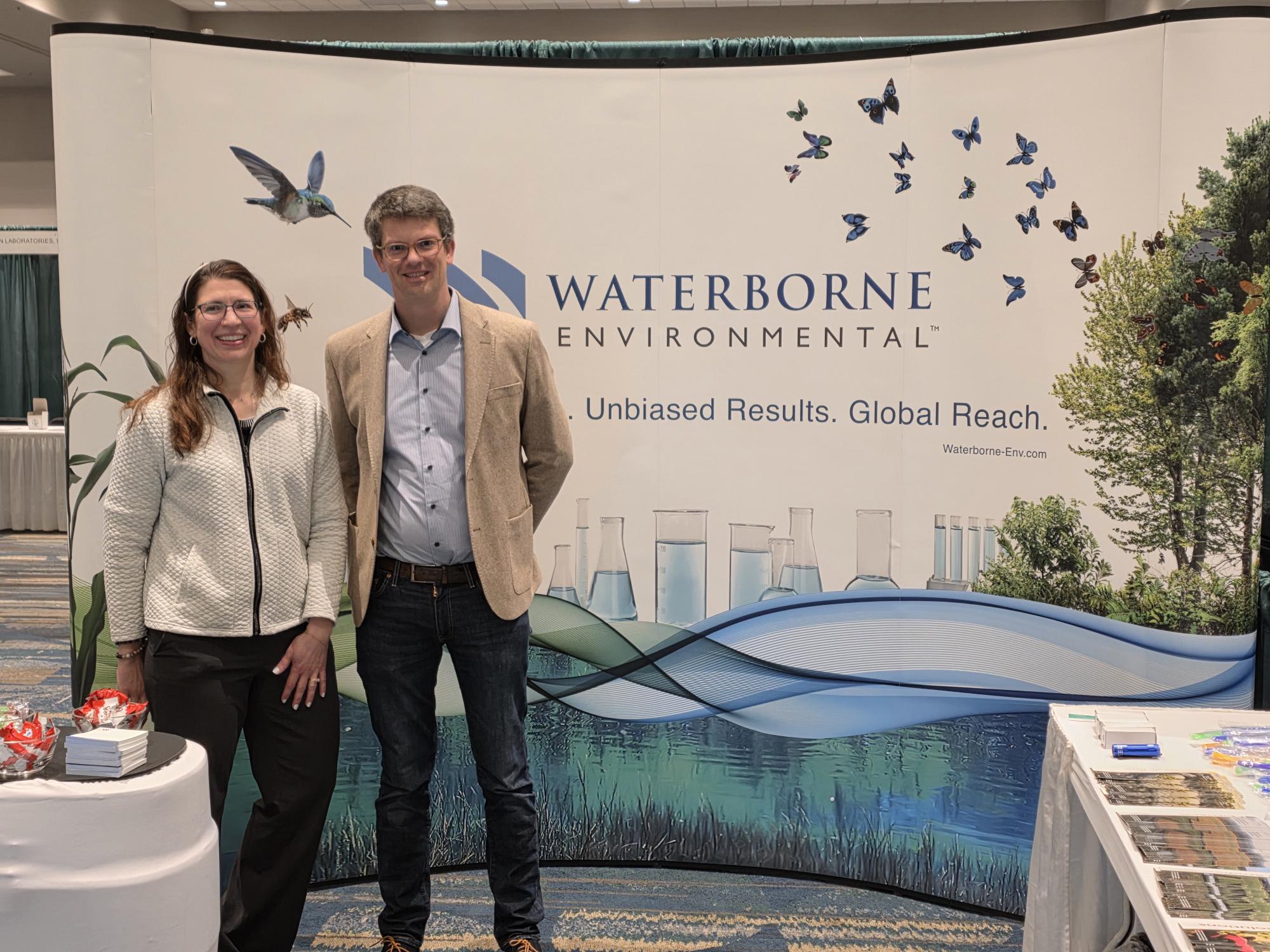
Waterborne kicks off 2026 at NAICC in Orlando, FL
Waterborne kicks off 2026 at NAICC in Orlando, FL March 2, 2026 | Waterborne News | Jennifer TraskLast month, the…
READ MORE
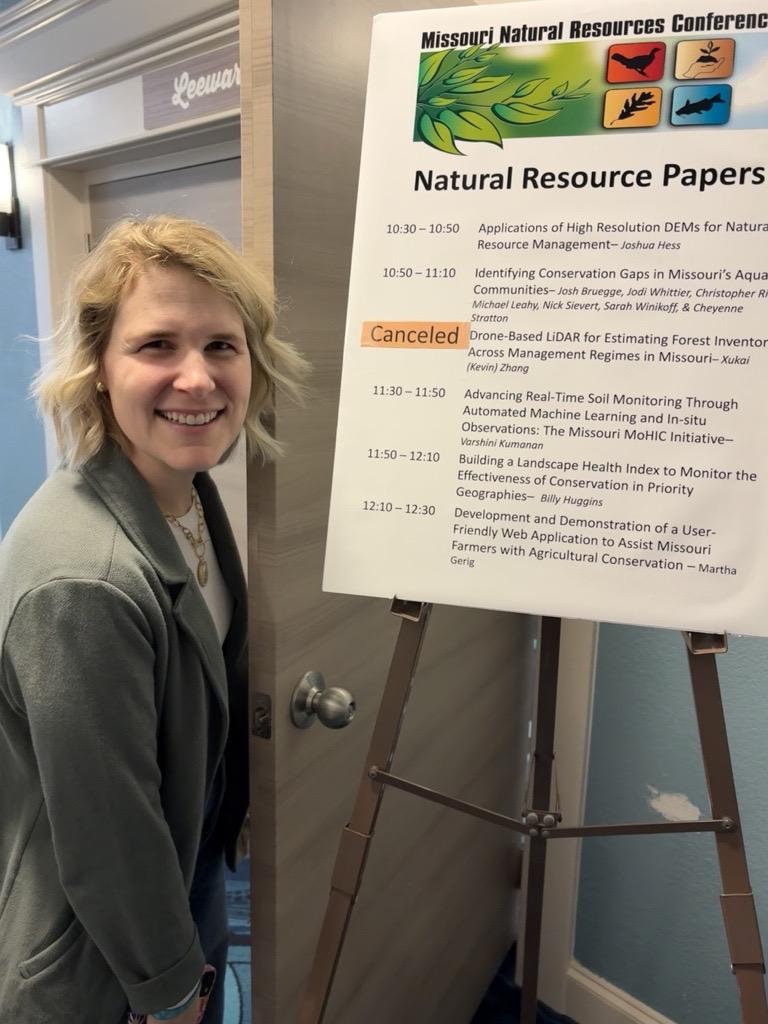
Recap of the Missouri Natural Resources Conference 2026
Recap of the Missouri Natural Resources Conference 2026 March 2, 2026 | Field StudiesAs I pulled into the long winding…
