

Waterborne attends the National Monitoring Conference along the Fox River in Green Bay, Wisconsin

Harkening a theme of “Working Together for Clean Water”, the National Monitoring Conference (NMC) drew together state, tribal, and local water monitoring experts from around the globe at the outlet of the Fox River in Green Bay, Wisconsin. Hosted by the National Water Quality Monitoring Council, the conference highlighted all aspects monitoring – from field methods to advanced statistics – and provided opportunities for professionals to connect through technical sessions, over meals and through well-crafted networking sessions. The Exhibition Hall showcased the latest technologies, products, and services from vendors in the field and offered attendees a hands-on opportunity to test products, visualize data, and interact with technical experts.
Waterborne Environmental’s Martha Gerig presented data from the first year of a project that draws a novel connection between agricultural nonpoint source water quality and drone application of biostimulants on a Missouri farm. Amongst her copresenters in the session titled “Agricultural Stressors on Environmental Health” were professionals from Colorado, Virginia, and Wisconsin, demonstrating the breadth of content and the audience commanded by the event. During a designated network session organized by topic area, Gerig conversed with a small group of professionals about how to assess the impact of management decisions through monitoring data. Through a series of guided questions, the group discussed managing large data streams, parsing “the signal from the noise”, and understanding the value of collecting long-term monitoring data in the face of budgetary constraints and priority shifts. While each individual came from different institution type (i.e. private industry, academia, state government), common recurring threads throughout the conversation maintained common ground among participants while offering a new set of perspectives.
Panel discussions engaged experts around broad topic areas like the microplastics crisis, integrating exposure risk into monitoring approaches, and increasing participation in water quality monitoring. Audience members had the chance to ask 3-4 selected experts about their successes, strategies, and challenges related to their topic. While all sessions were well attended, the audience was notably without its federally-employed members (EPA, USGS, NOAA). Often, these professionals assisted large monitoring efforts and, therefore, their contributions were presented by collaborators in their absence. In all, the NMC offered an incredible depth and breadth of data, methodologies, and expertise that consistently demonstrated the value of monitoring data as a critical tool to inform management decisions that impact environmental systems well into the future.

EPA’s Proposed Rollback of Chemical Safety Protections: What It Means for Environmental Stewardship
EPA’s Proposed Rollback of Chemical Safety Protections: What It Means for Environmental Stewardship March 2, 2026 | Endangered Species |…
READ MORE
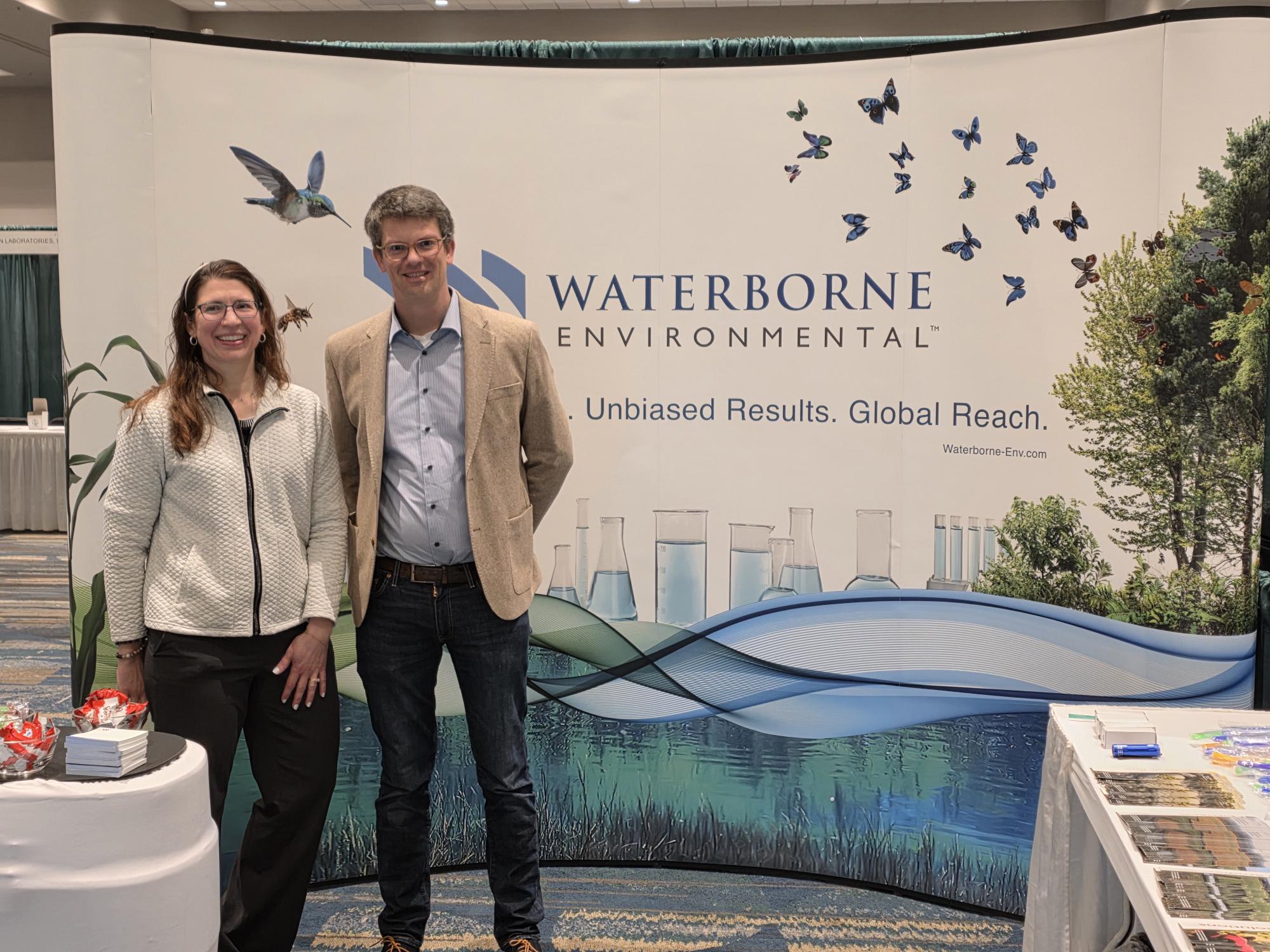
Waterborne kicks off 2026 at NAICC in Orlando, FL
Waterborne kicks off 2026 at NAICC in Orlando, FL March 2, 2026 | Waterborne News | Jennifer TraskLast month, the…
READ MORE
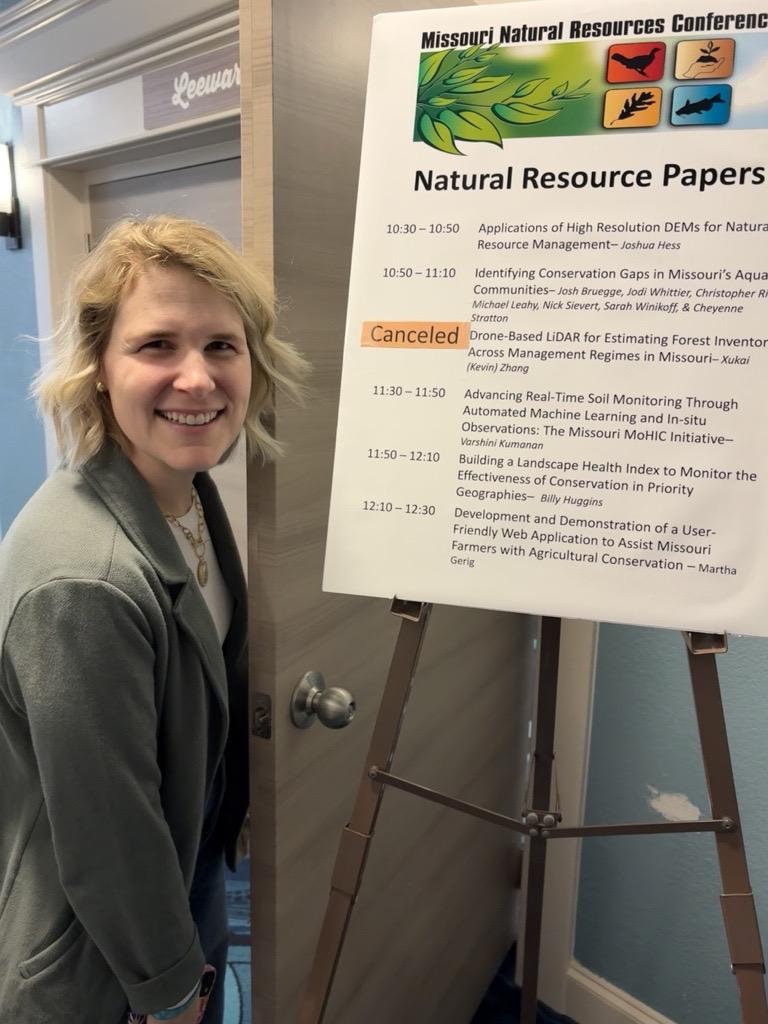
Recap of the Missouri Natural Resources Conference 2026
Recap of the Missouri Natural Resources Conference 2026 March 2, 2026 | Field Studies | Martha Gerig, PhDAs I pulled…
READ MORE

Growing tea isn’t for the faint of heart
Growing tea isn’t for the faint of heart January 26, 2026 | Climate Change | This month’s frigid temperatures have…
