

Recap of the Missouri Natural Resources Conference 2026
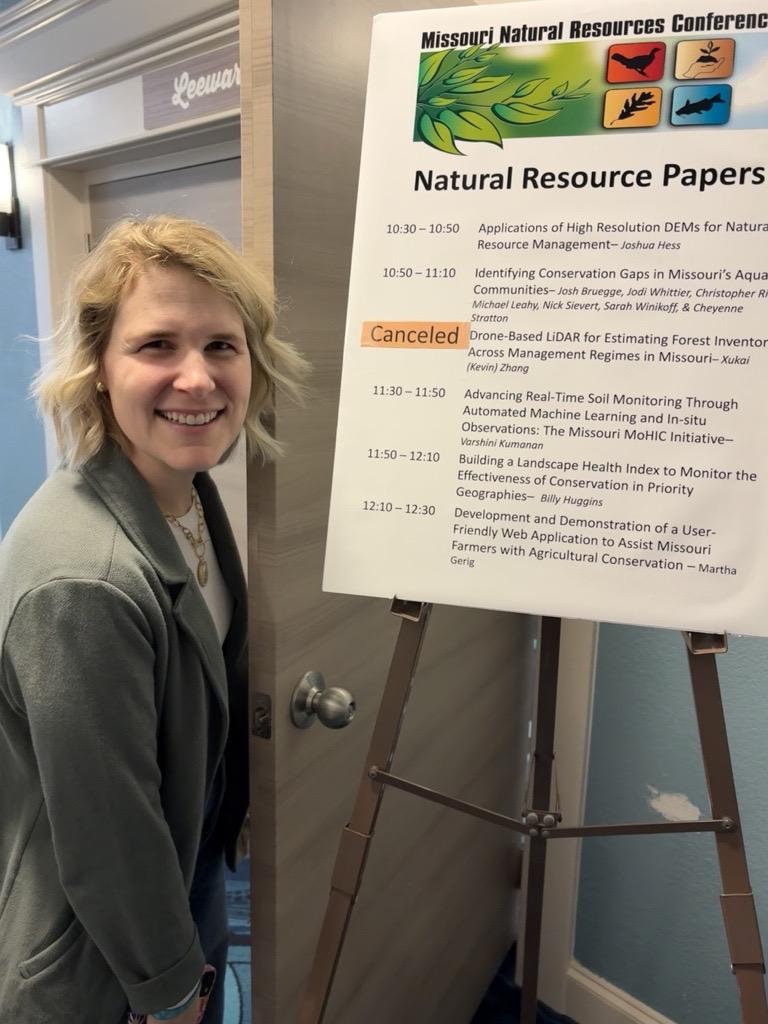
As I pulled into the long winding driveway of the Margaritaville Lake Resort in the late hours of a misty February evening, I felt instant camaraderie knowing that the parked lines of agency trucks and university field vehicles ferried natural resources professionals from across the state to join in a week of data sharing, goal setting, and story making. As the sun rose the next morning over a partially ice-covered Lake of the Ozarks, I scanned the names and affiliations on the name badges of attendees – smiling as mere email acquaintances were finally placed into context. Unlike many meetings I’ve attended throughout my career, from the moment coffee started flowing on the first day of the gathering, the Missouri Natural Resources Conference (MNRC) felt more like a reunion of stewards than a conference. As the meeting got underway, it was clear that the diverse group shared a sense of purpose: three days devoted to the future of Missouri’s land, water, forests, and wildlife. Workshops spill into hallways as participants linger to debate watershed modeling, wildlife monitoring, or soil health strategies. Exhibitors—nearly fifty of them lining the perimeter of a basement ballroom —showcase gear, promotional materials, and programs that spark impromptu demonstrations and long, animated discussions.
The theme of the 2026 meeting was “Innovations in Conservation”, setting the tone for conversations around technological advancements, new models, and experimental field methodologies. The energy is familiar within the context of a conference, but charged with something new: a collective curiosity about how emerging tools and crossdisciplinary thinking can reshape the work everyone cares about within Missouri.
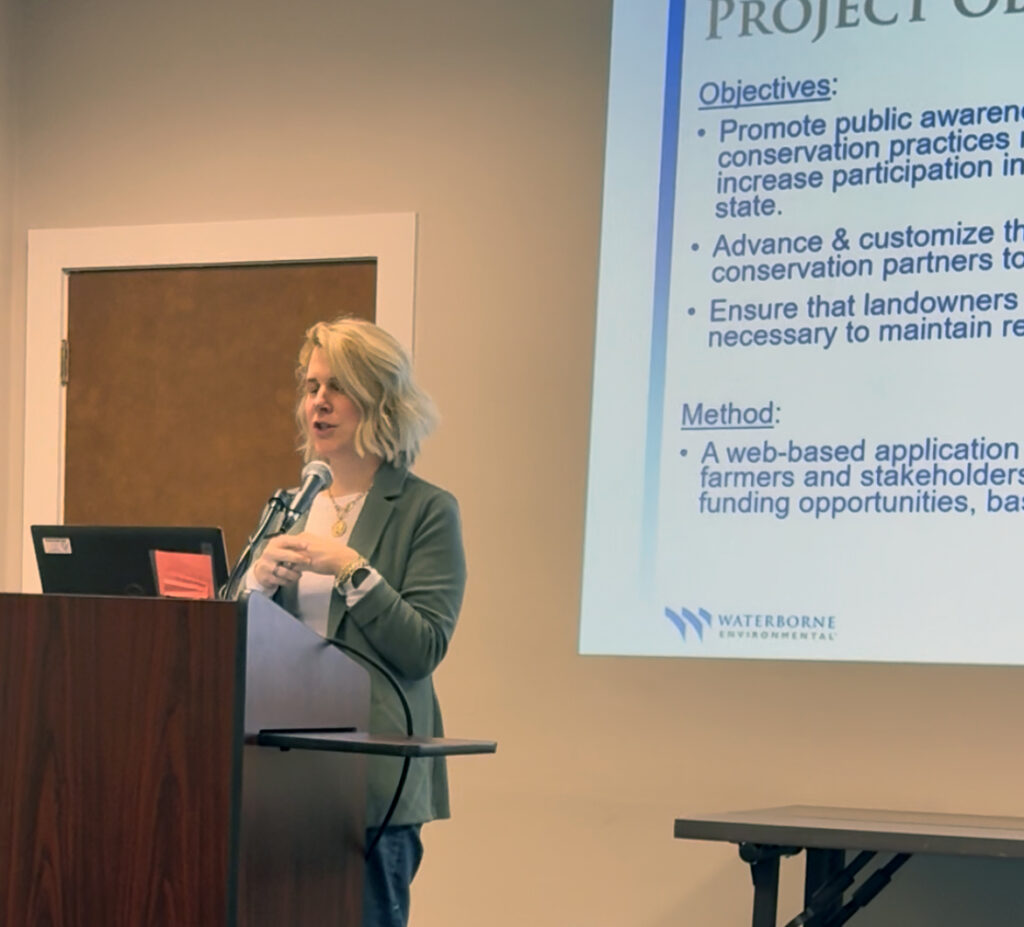 My oral presentation, scheduled as the last talk during the last session on the last day of the conference, aligned with this overarching theme. My purpose was to gather feedback on an agricultural conservation web application designed by Waterborne experts that helps support the soil, water, and wildlife conservation goals of Missouri farmers. Throughout my 20-minute presentation, I described how this webtool allows a landowner to self-select their field on a digital map and identify particular concerns around sediment erosion and nutrient loss. As I navigated my audience through how this application offers contact information for technical experts at the local and county level, I urged them to think of ways that this tool could be modified to best serve Missouri farmers. I emphasized that our application is meant to serve as the liaison between producers and the resources that can help them thrive, knowing that the listening crowd was comprised of NRCS staff, University of Missouri Extension professionals, and DNR field crews. As my “Questions?” slide shown on the projector screen, eight hands shot into the air to offer feedback or ask questions. Perhaps the very last slot of the conference wasn’t a negative after all – as conversations continued well beyond my allotted time and business cards were exchanged with promises of continued collaboration.
What makes the Missouri Natural Resources Conference feel alive isn’t just the sessions or the speakers—it’s the way people move through it. Agency staff reconnect with former colleagues. Students find mentors. Landowners trade insights with researchers. The Whova app buzzes with affiliated meeting updates and pictures of off-site gatherings, helping attendees navigate a web of side conversations and working groups that often shape the most meaningful outcomes. By the time the final session ended, the conference felt less like an event and more like a shared chapter in Missouri’s conservation story. Attendees left with handshakes and notebooks full of ideas, pockets full of business cards, and a renewed sense that innovation isn’t just about technology—it’s about people choosing to work together differently.
EPA’s Proposed Rollback of Chemical Safety Protections: What It Means for Environmental Stewardship
EPA’s Proposed Rollback of Chemical Safety Protections: What It Means for Environmental Stewardship March 2, 2026 | Endangered Species |…
READ MORE
Waterborne kicks off 2026 at NAICC in Orlando, FL
Waterborne kicks off 2026 at NAICC in Orlando, FL March 2, 2026 | Waterborne News | Jennifer TraskLast month, the…
READ MORE
Recap of the Missouri Natural Resources Conference 2026
No excerpt…
READ MORE
Growing tea isn’t for the faint of heart
Growing tea isn’t for the faint of heart January 26, 2026 | Climate Change | This month’s frigid temperatures have…
