

It’s a new year… Time for a Good Laboratory Practices refresher
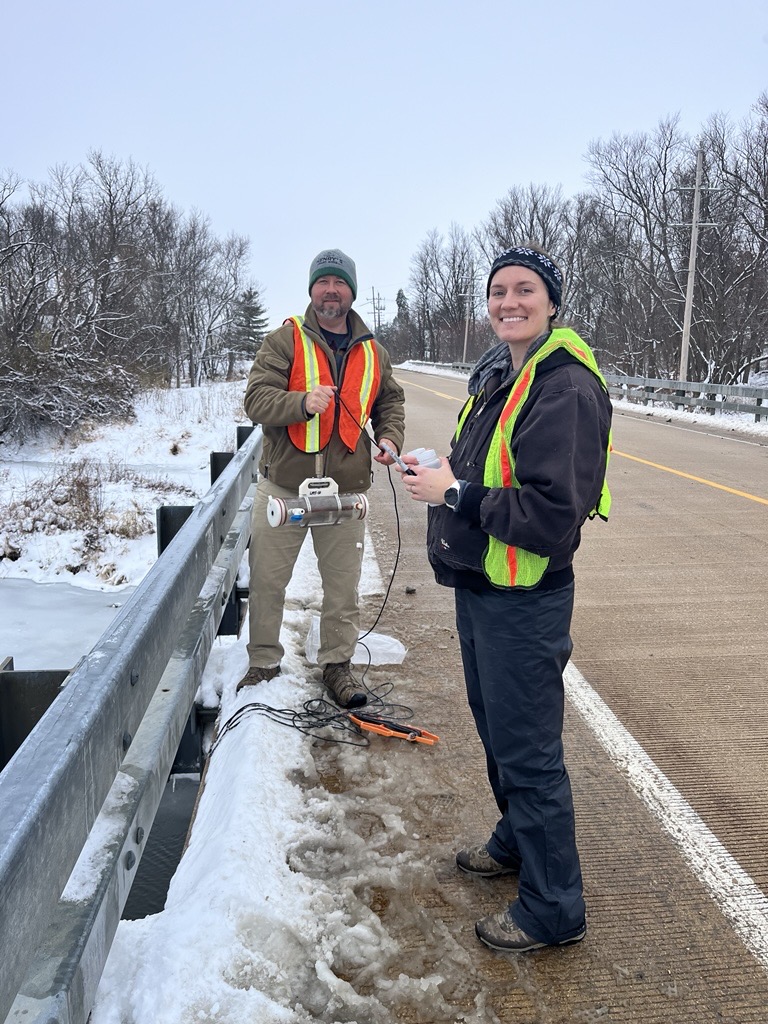
The start of the new year provides us with an opportunity to mark one of the most overlooked yet vitally important actions off of any scientist's checklist: reaffirming a commitment to Good Laboratory Practice (GLP). In a nutshell, GLP sets the foundation for credible regulatory studies by documenting the full story of a study from beginning to end, capturing not just the outcome but exactly how that outcome was achieved. It allows a study to be reconstructed long after it is complete, providing a clear, defensible record of what occurred, when it occurred, and who was responsible. By requiring that personnel are properly trained and qualified and that all equipment is calibrated and verified, GLP supports the production of honest, reliable data that regulators and sponsors can trust. It removes ambiguity and replaces it with transparency, accountability, and scientific rigor.
The integrity of a study is strengthened when GLP is applied consistently throughout its lifecycle. Data trends and outliers can be explained rather than questioned, and potential equipment malfunctions can be tracked to determine when and how they occurred. Clearly defined protocols and Standard Operating Procedures create consistency across studies, ensuring that work is performed the same way regardless of whether it is conducted by an intern or a lead scientist. GLP also ensures that communication is timely and clear, with the Study Director and Sponsor notified as soon as complications arise so issues can be addressed before they compromise the study.
At Waterborne, our own GLP is our staff and their commitment to meticulous training, record-keeping, and strict adherence to protocols and SOPs. The guiding principle is simple: if it isn’t written down, it didn’t happen. Regular training reinforces GLP expectations and keeps best practices front of mind, while encouraging staff to read protocols and SOPs before a study begins and to revisit them whenever uncertainty arises. This culture of diligence ensures that decisions are grounded in approved procedures rather than assumptions or habits.
This time of year is a natural checkpoint for reinforcing GLP across our organization. It's a good time for staff to update their training records and document completed training, read and acknowledge the annual SOPs, and review and refresh their resumes to reflect current qualifications. It's also an opportunity to learn new skills that enhance technical expertise, further strengthening study execution. Through GLP, equipment maintenance logs are reviewed, and instruments requiring recurrent calibration or verification are identified and sent in for any necessary updates. These routine but critical activities ensure that we enter the new year fully prepared, compliant, and aligned with the principles of GLP that underpin every regulatory study we conduct.
GLP is the backbone of credible regulatory studies because it documents the full story of a study from beginning to end, capturing not just the outcome but exactly how that outcome was achieved. GLP allows a study to be reconstructed long after it is complete, providing a clear, defensible record of what occurred, when it occurred, and who was responsible. By requiring that personnel are properly trained and qualified and that all equipment is calibrated and verified, GLP supports the production of honest, reliable data that regulators and sponsors can trust.

EPA’s Proposed Rollback of Chemical Safety Protections: What It Means for Environmental Stewardship
EPA’s Proposed Rollback of Chemical Safety Protections: What It Means for Environmental Stewardship March 2, 2026 | Endangered Species |…
READ MORE

Waterborne kicks off 2026 at NAICC in Orlando, FL
Waterborne kicks off 2026 at NAICC in Orlando, FL March 2, 2026 | Waterborne News | Jennifer TraskLast month, the…
READ MORE
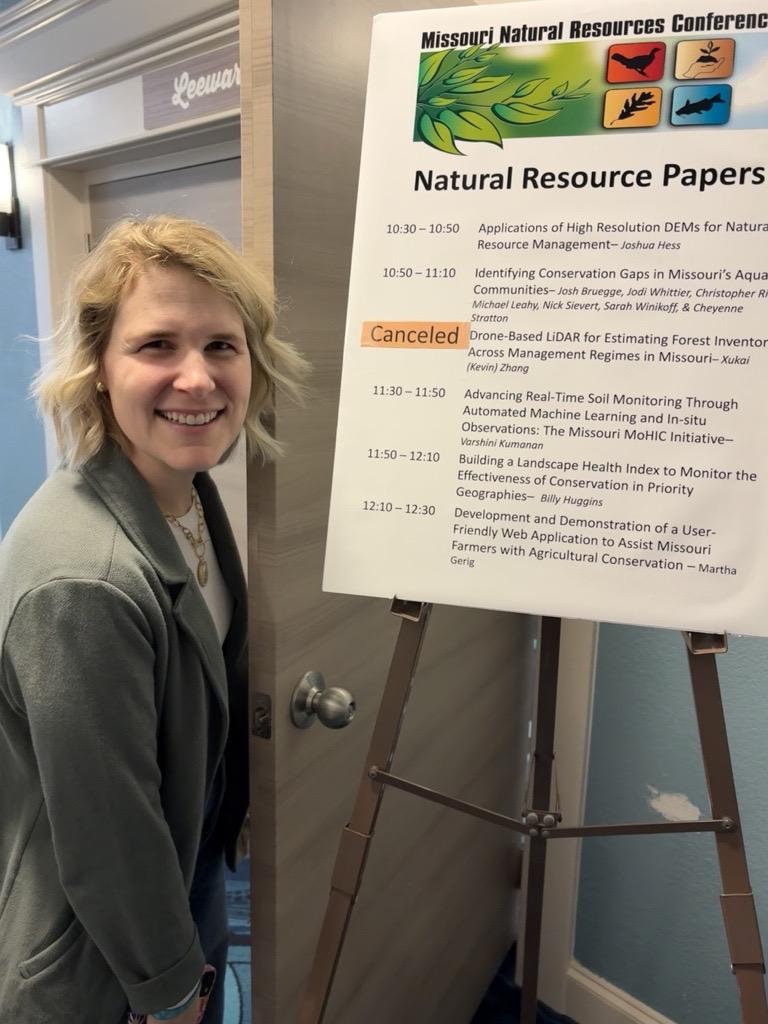
Recap of the Missouri Natural Resources Conference 2026
Recap of the Missouri Natural Resources Conference 2026 March 2, 2026 | Field Studies | Martha Gerig, PhDAs I pulled…
READ MORE

Growing tea isn’t for the faint of heart
Growing tea isn’t for the faint of heart January 26, 2026 | Climate Change | This month’s frigid temperatures have…
