

Growing tea isn’t for the faint of heart
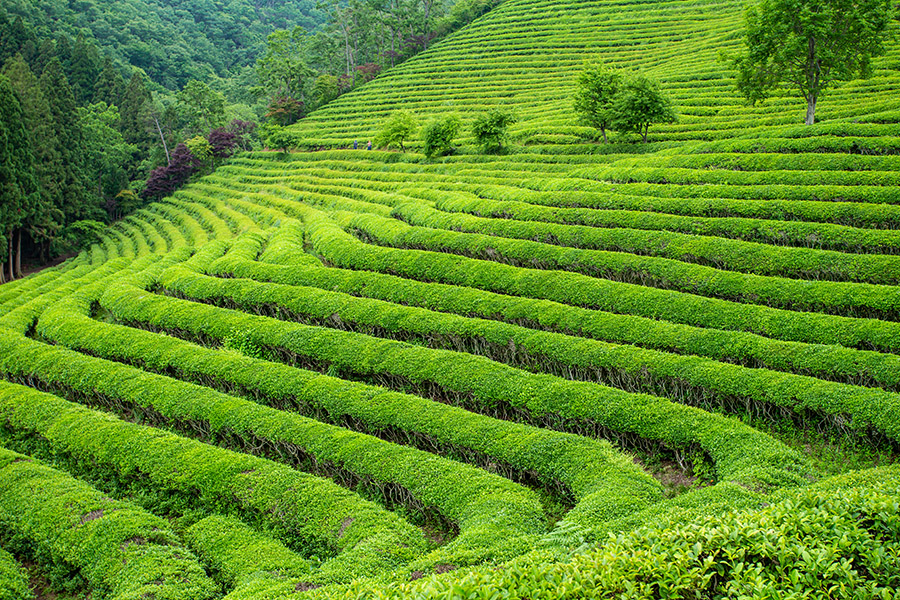
This month’s frigid temperatures have many of us reaching for a hot, comforting drink. Few warm-ups are as popular as a cup of tea, which may explain why frigid January is home to National Hot Tea Day. Which led us to think about tea as a both a national and global crop and what goes into bringing this tasty drink to market.
Growing tea is, at its best, an agricultural experience shaped by patience, water, and respect for the land. Tea plants thrive in regions where rainfall is generous but well-timed, and where the landscape itself helps manage water rather than fight it. Because tea is a perennial crop, fields remain planted for decades, allowing roots to stabilize soil, reduce erosion, and improve water retention compared with annual crops that require frequent replanting and tilling. For many, the images of growing tea on hillsides are rooted in Asia and parts of Africa, but there are a number of producers in the United States, including one die-hard farm in Loudoun County, Virginia, near Waterborne's headquarters.
As with most crops, water is central to growing tea. Traditional tea-growing regions often rely primarily on rainfall, minimizing the need for intensive irrigation. When irrigation is used, responsible growers increasingly adopt drip systems and contour planting to reduce runoff and prevent nutrient loss. For some teas and regions, such as matcha and gyokuro teas grown in Japan, plants are grown in shaded systems alongside trees or under human-built screens, often made of bamboo. Shaded tea systems further protect watersheds by slowing rainwater flow, improving infiltration, and maintaining healthier stream ecosystems downstream.
The environmental footprint of tea cultivation also depends on how growers manage inputs. Many tea estates emphasize soil health through composting, mulching, and biodiversity, which not only supports the plants but also improves the land’s ability to hold water during dry periods and release it gradually during heavy rains. As climate change alters rainfall patterns and increases water stress in many regions, sustainable tea farming is becoming less of an ideal and more of a necessity.
By focusing on long-term soil health, efficient water use, and ecosystem protection, tea growers around the world can produce a crop that reflects its environment without depleting it. In this way, our warming cup of tea can represent not just a beverage, but a careful balance between agriculture, water, and the landscapes that sustain both.
EPA’s Proposed Rollback of Chemical Safety Protections: What It Means for Environmental Stewardship
EPA’s Proposed Rollback of Chemical Safety Protections: What It Means for Environmental Stewardship March 2, 2026 | Endangered Species |…
READ MORE

Waterborne kicks off 2026 at NAICC in Orlando, FL
Waterborne kicks off 2026 at NAICC in Orlando, FL March 2, 2026 | Waterborne News | Jennifer TraskLast month, the…
READ MORE
Recap of the Missouri Natural Resources Conference 2026
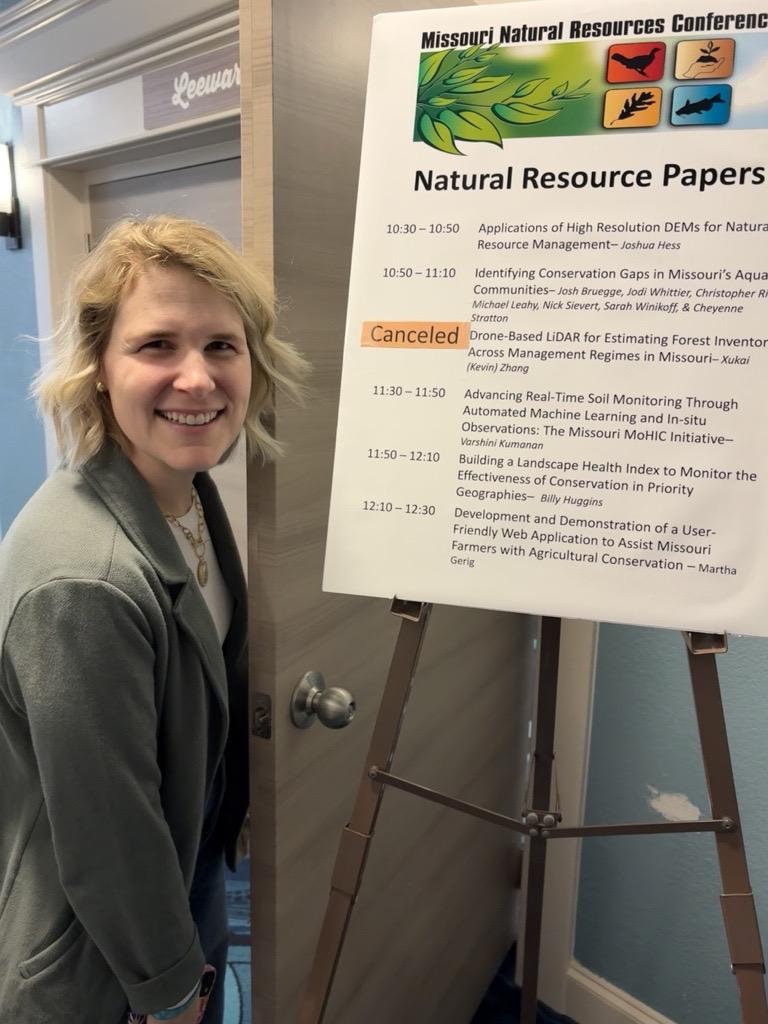
Recap of the Missouri Natural Resources Conference 2026 March 2, 2026 | Field Studies | Martha Gerig, PhDAs I pulled…
READ MORE
Growing tea isn’t for the faint of heart
No excerpt…
