

EPA’s Proposed Rollback of Chemical Safety Protections: What It Means for Environmental Stewardship

On February 24th, the U.S. Environmental Protection Agency (EPA) unveiled a significant proposal to revise its Risk Management Program (RMP), a policy that had required 12,500 high-risk facilities to develop chemical accident protocols that would prevent or limit environmental catastrophes. The program was approved by Congress in 1990 under the Clean Air Act. This latest news comes on the heels of Endangered Species Act rollbacks that have allowed the U.S. Fish and Wildlife Service to remove still-threatened and endangered birds, animals, and plants from the list, the Department of War's attempts to exempt some protected coral reefs, and the U.S. Forest Service to clear-cut forests.
February's proposed changes to the RMP would roll back key elements of the 2024 Safer Communities by Chemical Accident Prevention rule, which strengthened requirements for hazard analysis, emergency preparedness, community notification, and disaster resilience at facilities handling high-risk chemicals. Scaling back safeguards, particularly around community right-to-know provisions and natural disaster planning, could lead to increased risks of accidental releases
Additionally, the EPA has recently shut down a publicly accessible mapping tool that showed the locations of hazardous chemical facilities, citing security concerns as the reason for moving that information to an on-site reading room. Between 2004-2025, a chemical accident that harmed humans or the environment was recorded every other day. Link to the proposed revision.
As we monitor these developments, Waterborne's commitment to endangered species and our environment remains firm: rigorous compliance, proactive risk assessment, and transparent engagement with stakeholders will continue to be integral to our work. We will continue to monitor these updates and will keep our clients informed of any other changes. Learn more about our endangered species work.

EPA’s Proposed Rollback of Chemical Safety Protections: What It Means for Environmental Stewardship
No excerpt…
READ MORE
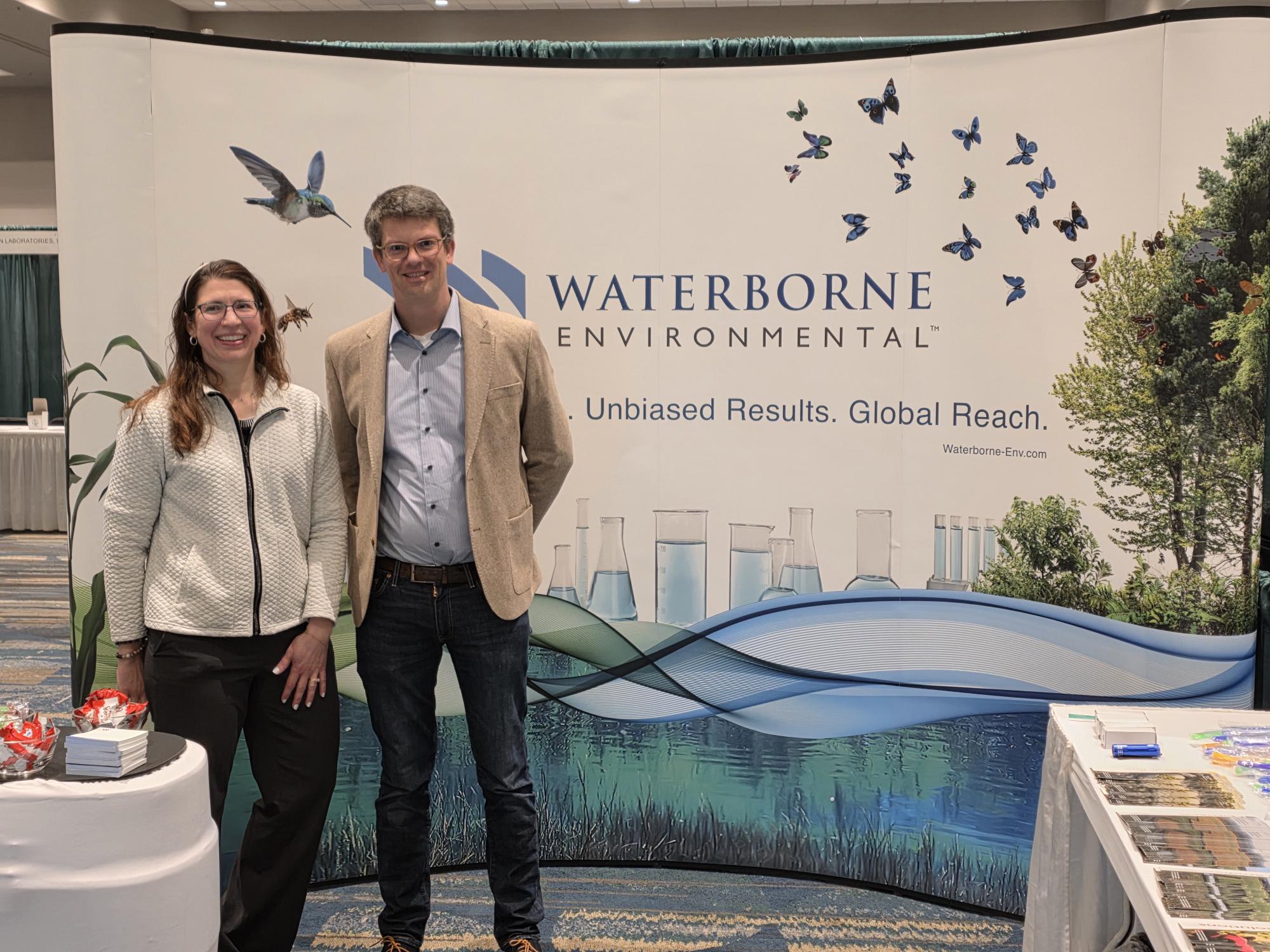
Waterborne kicks off 2026 at NAICC in Orlando, FL
Waterborne kicks off 2026 at NAICC in Orlando, FL March 2, 2026 | Waterborne News | Jennifer TraskLast month, the…
READ MORE
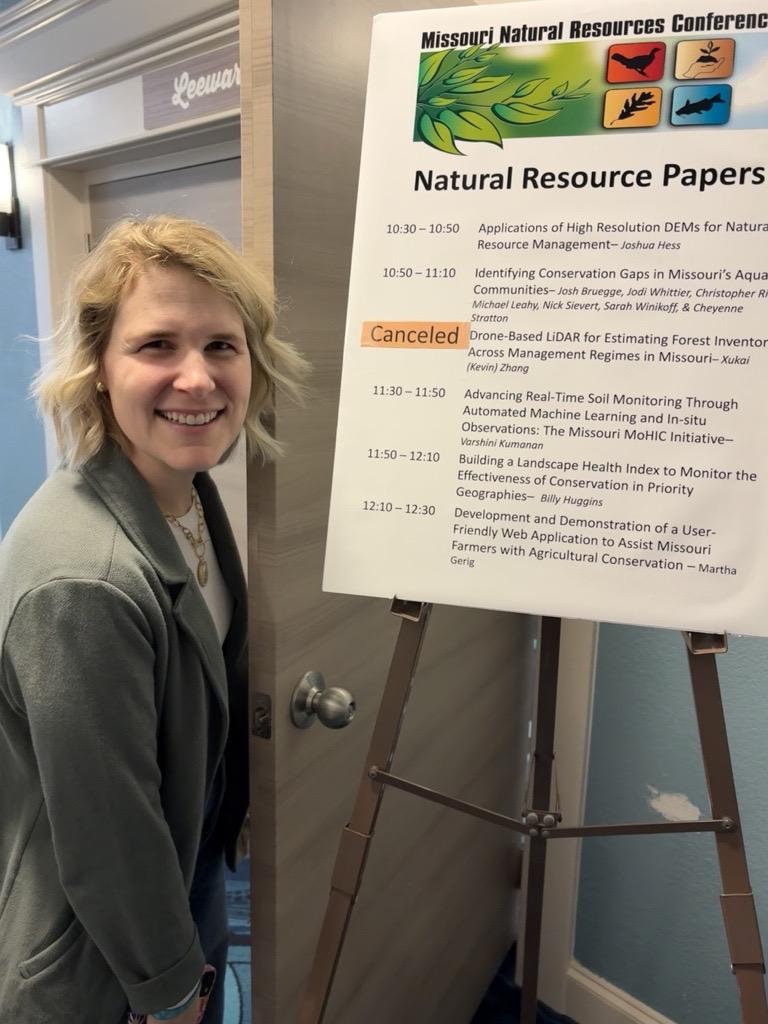
Recap of the Missouri Natural Resources Conference 2026
Recap of the Missouri Natural Resources Conference 2026 March 2, 2026 | Field Studies | Martha Gerig, PhDAs I pulled…
READ MORE

Growing tea isn’t for the faint of heart
Growing tea isn’t for the faint of heart January 26, 2026 | Climate Change | This month’s frigid temperatures have…
